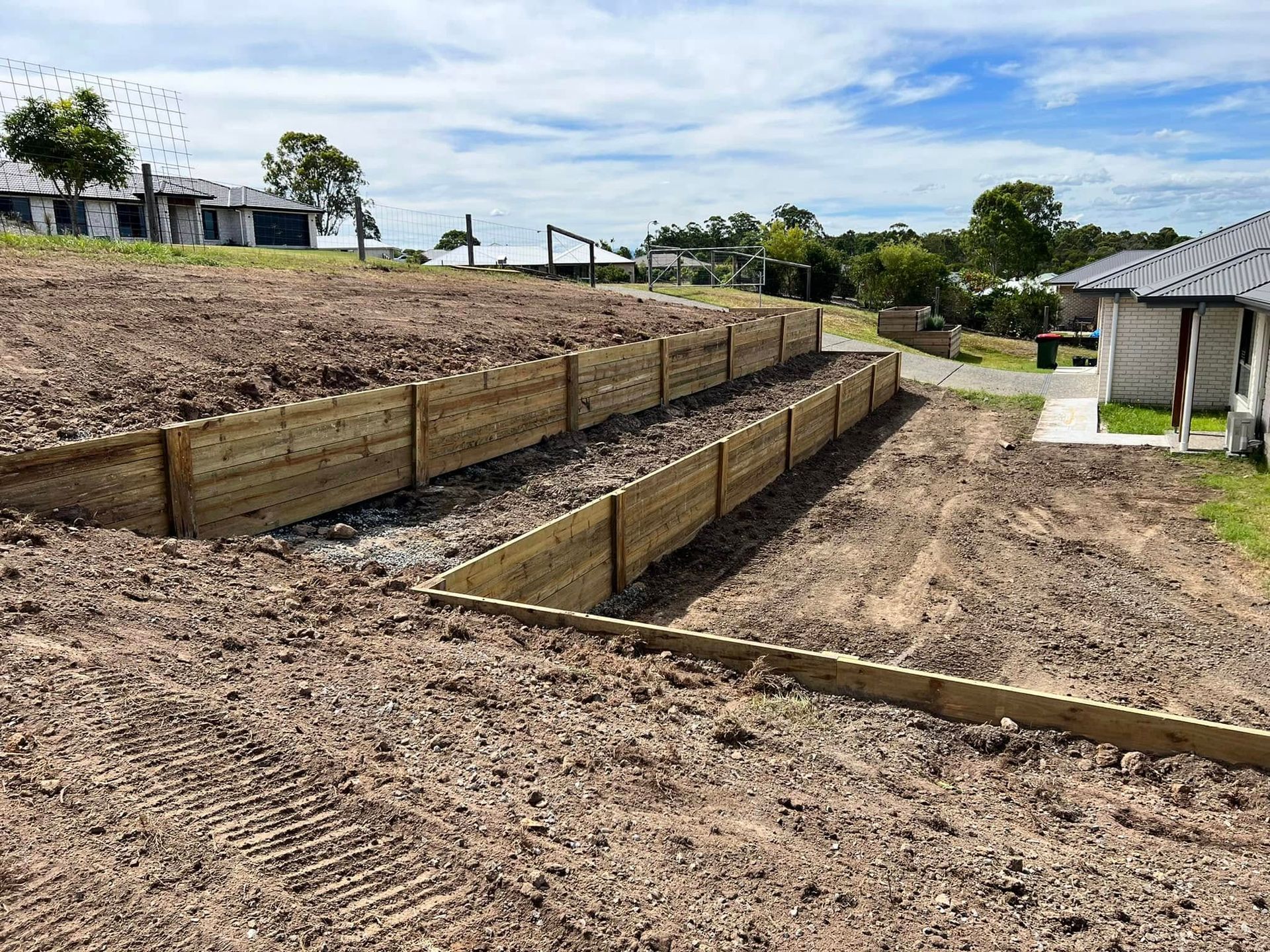
How to choose a civil construction contractor
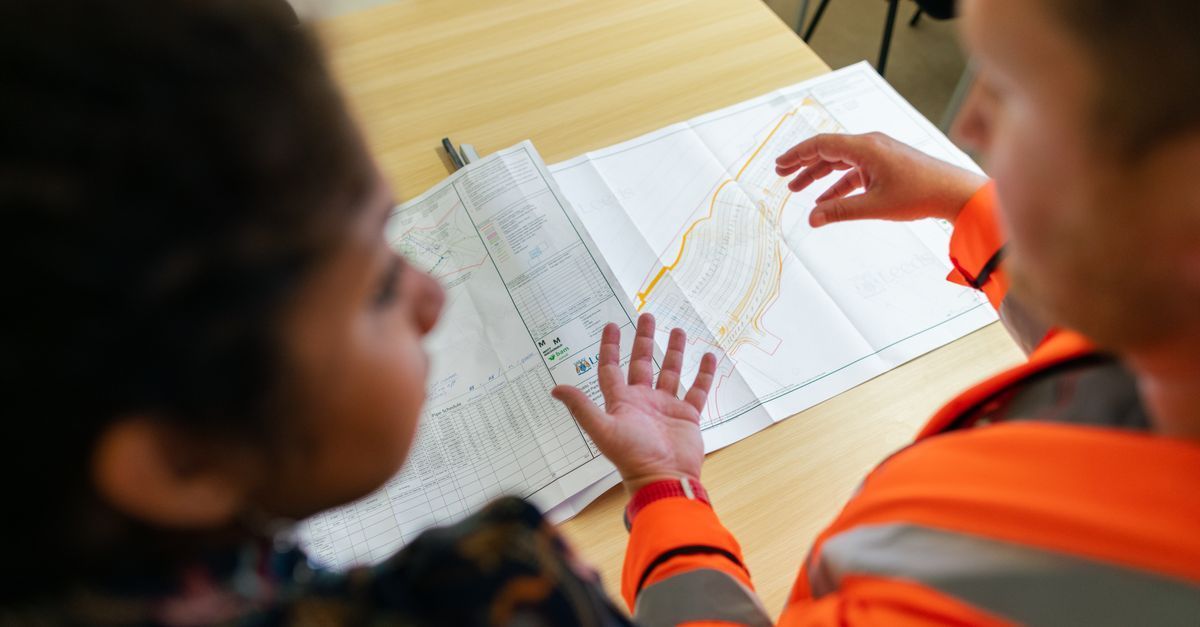
Choosing a civil construction contractor affects more than the quality of the finished work. The right contractor can help identify site risks, coordinate services, plan access, manage machinery, and keep the project moving through each stage. A poor fit can lead to unclear scopes, delays, duplicated work, and unexpected costs.
Whether the project involves earthworks, retaining walls, concrete, pipework, trenching, or a combination of services, it is worth looking beyond the quoted price. Capability, communication, equipment, experience, and scope clarity all contribute to a successful outcome.
Start with the contractor’s relevant capability
Civil construction covers a broad range of work, and not every contractor is suited to every project. The first step is confirming that the contractor regularly performs the type of work required. A company experienced in small residential excavation may not have the same systems, equipment, or coordination capability needed for a commercial development or multi-stage civil project.
Review the services offered and how they connect. A contractor that can manage earthworks and site preparation, drainage, retaining walls, concrete, and underground services may be able to reduce handovers between separate trades. This can make sequencing easier and limit the risk of one completed stage being disturbed by another contractor.
Relevant experience is more useful than general claims. Ask about similar site conditions, access constraints, project types, and service combinations rather than relying only on the number of years the business has operated.
Check whether the equipment suits the site
The right machinery depends on the scale of the work, ground conditions, access, excavation depth, and material volumes. Large equipment may improve productivity on an open site, while compact machinery may be required around existing buildings, narrow driveways, or occupied properties.
A contractor should be able to explain what equipment will be used and why it is appropriate. The machinery also needs to be supported by operators who understand levels, drainage, compaction, safe excavation, and the practical requirements of the next construction stage.
Equipment availability matters as well. Delays can occur when a contractor relies on machinery that is not available when required or cannot adjust the fleet as site conditions change.
Ask for a clear and complete scope
A quote should make it easy to understand what is included, excluded, and assumed. For earthworks, this may cover site clearing, excavation, spoil removal, imported fill, grading, compaction, drainage, and reinstatement. For retaining walls or concrete works, it may also need to address footings, reinforcement, materials, access, and preparation.
Unclear scopes make it difficult to compare contractors. A lower price may exclude important tasks that appear in another contractor’s quote. Clarifying the scope early reduces the risk of variations once machinery and crews are already on site.
Ask who is responsible for surveys, engineering, approvals, utility locating, testing, traffic management, and coordination with other trades. These responsibilities vary between projects and should not be assumed.
Consider safety and site management
Civil work involves machinery, excavation, underground services, changing ground conditions, and interaction with other trades. The contractor should demonstrate a practical approach to site safety, not simply state that safety is important.
This includes planning access, separating people from operating machinery, identifying underground services, managing excavation areas, and responding to weather or unstable ground. On active construction sites, communication with builders, supervisors, engineers, and subcontractors is also essential.
A well-managed site is usually easier to navigate and more efficient. Materials are placed where they are needed, work areas remain accessible, and the sequence is organised to avoid unnecessary handling or rework.
Look for communication that supports the project
Good communication starts before the quote is accepted. The contractor should ask relevant questions about site access, plans, levels, drainage, timing, services, and the intended outcome. This shows that the work is being assessed as a project rather than treated as a generic hire request.
During construction, clients need clear updates when conditions differ from the plans or when decisions are required. Civil work often reveals information below ground that could not be confirmed beforehand. The contractor should explain the issue, outline the available options, and identify the likely effect on scope or timing.
Reliable communication also helps coordinate related services such as pipework and utility installation, trenching and boring, and concrete works.
Assess local knowledge and service coverage
Local experience can help a contractor understand common ground conditions, rainfall patterns, access challenges, development activity, and travel requirements. It can also support more realistic mobilisation and scheduling.
For projects across Moreton Bay, Brisbane, and the Sunshine Coast, the contractor should confirm that the location falls within its regular service area and that the project scale is suitable for mobilisation. This is particularly important for smaller jobs in outer areas or projects requiring several separate visits.
Local knowledge does not replace proper assessment, but it can help the contractor ask better questions and plan for conditions commonly encountered across the region.
Choose value rather than price alone
The cheapest quote is not always the lowest-cost outcome. Delays, incomplete preparation, unsuitable equipment, weak coordination, or poor compaction can affect later trades and create additional work. A contractor offering a clear scope, suitable resources, and reliable project management may provide stronger overall value.
Compare each quote against the same project requirements. Consider capability, inclusions, timing, communication, equipment, and how confidently the contractor has addressed the site conditions.
Moreton Bay Civil Construction provides integrated civil construction and earthmoving services across Moreton Bay, Brisbane, and the Sunshine Coast. Contact our team to discuss your project scope and site requirements.