How to prepare a site for civil construction

Good site preparation creates the foundation for every successful civil construction project. Before concrete is poured, retaining walls are built, or underground services are installed, the ground must be assessed, cleared, shaped, and compacted correctly. Skipping these early steps can lead to drainage issues, unstable surfaces, access problems, and costly delays later in the build.
For projects across Moreton Bay, Brisbane, and the Sunshine Coast, local ground conditions, rainfall, access, and surrounding development all influence how a site should be prepared. A structured approach helps reduce risk and keeps the work moving efficiently from the first day on site.
Start with a clear site assessment
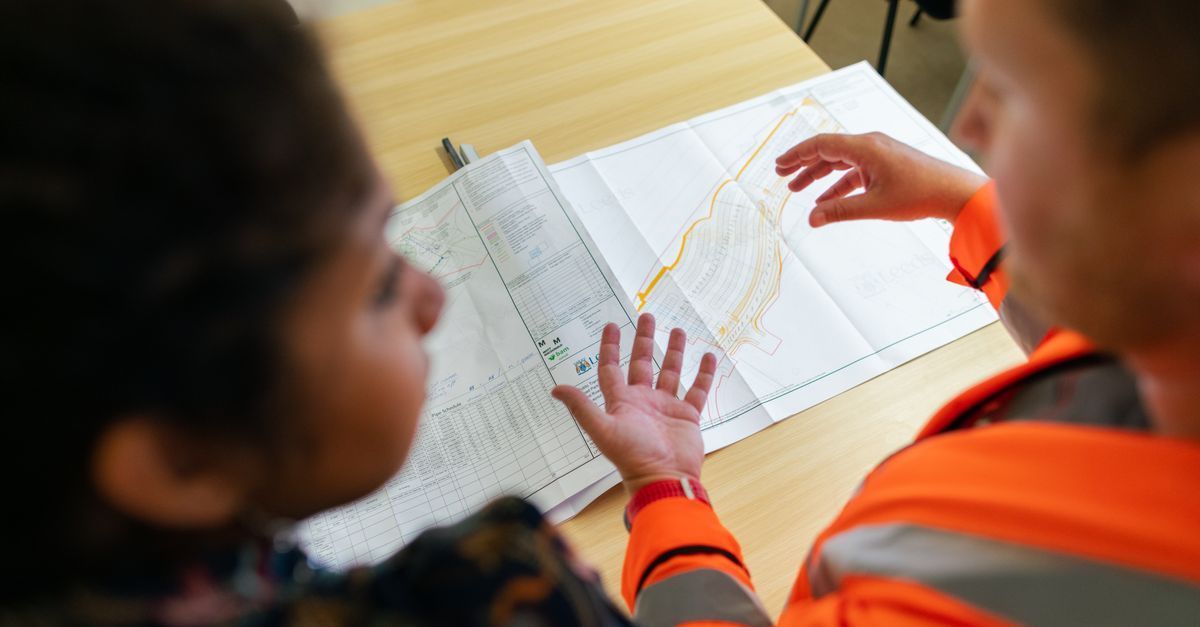
The first step is understanding the site as it currently stands. This includes reviewing access points, slopes, existing structures, vegetation, drainage paths, underground services, and any areas where ground conditions may affect excavation or plant movement.
A practical site assessment also helps determine the machinery, labour, and sequence of work required. Tight access, soft ground, steep grades, and neighbouring properties can all change the way a project needs to be approached.
Early planning allows the contractor to identify likely challenges before mobilisation. That can reduce downtime, unnecessary excavation, and changes to the scope once work is underway.
Plan access and site clearing
Construction access needs to be established before major earthmoving begins. Machinery, delivery vehicles, and workers require safe, practical entry and enough room to operate without damaging completed work or surrounding property.
Site clearing may involve removing vegetation, debris, old structures, unsuitable material, or other obstructions. The extent of clearing should match the approved project area rather than disturbing more ground than necessary.
Once access and clearing are complete, the site can be prepared for bulk excavation, filling, grading, and service installation. A well-organised site also improves safety and makes it easier to coordinate multiple trades.
Manage drainage before shaping the ground
Water movement should be considered before final levels are established. Rainfall can quickly affect exposed soil, particularly on sloping sites or areas with limited natural drainage.
Temporary drainage controls may be needed during construction, followed by permanent stormwater measures as the project progresses. Managing water early protects excavated areas, helps maintain access, and reduces erosion.
Drainage planning should work with the finished design, including slab levels, retaining walls, driveways, pipework, and surrounding land. It is far easier to accommodate drainage during earthworks and site preparation than to correct it after the site has been built up.
Excavate, fill, grade, and compact in stages
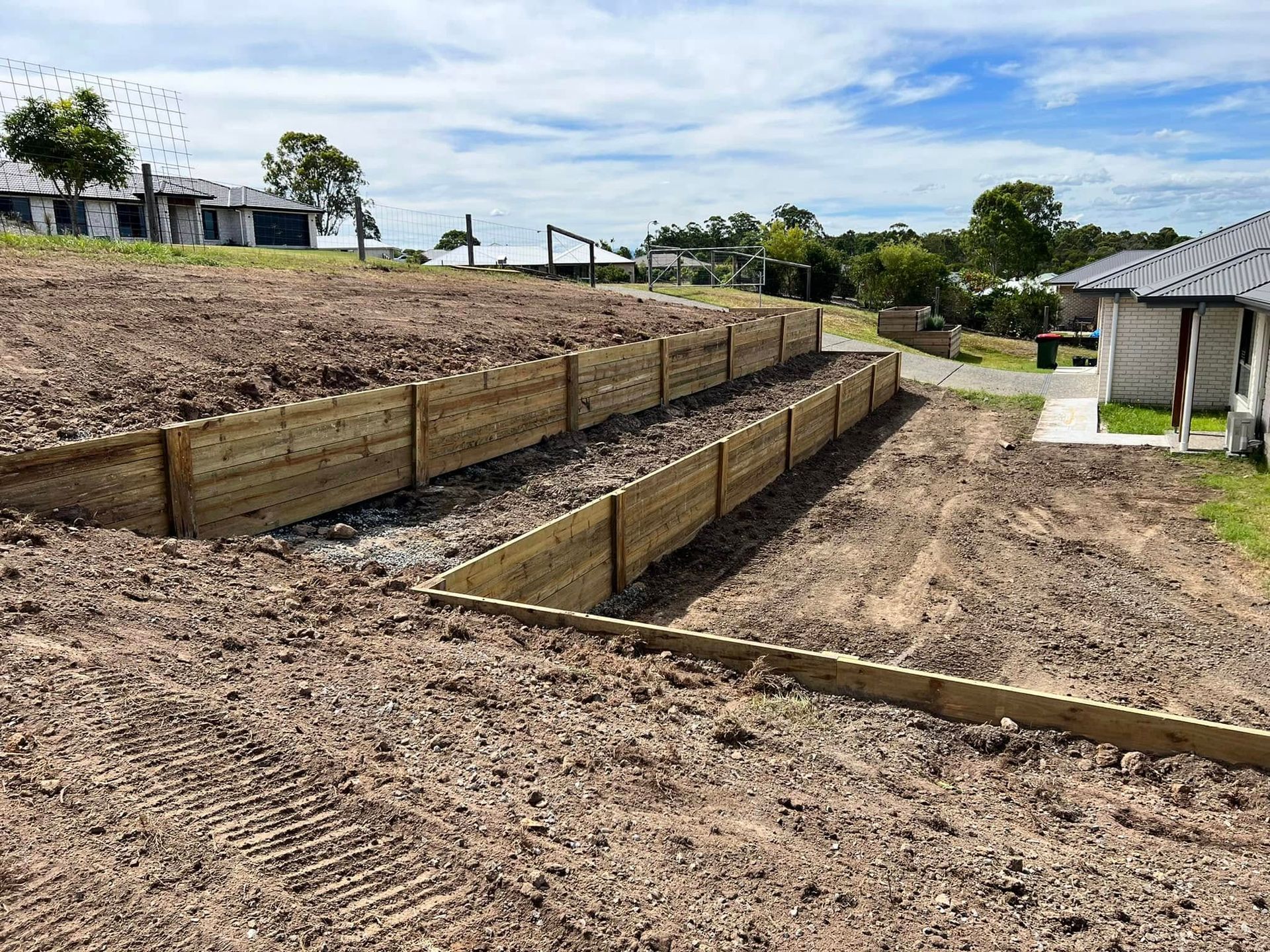
Earthworks are rarely completed in one pass. The site is usually excavated or filled in stages, with levels checked throughout the process. This helps ensure the finished surface matches the design and remains suitable for the next stage of construction.
Fill material must be appropriate for the intended use and placed in controlled layers. Each layer may require compaction before additional material is added. Poorly compacted fill can settle unevenly and affect slabs, pavements, retaining walls, and underground services.
Final grading creates the required shape, falls, and working platform. Accurate levels at this stage can make concrete, drainage, and structural work more efficient.
Coordinate underground services early
Pipework, drainage, electrical conduits, and telecommunications may need to be installed before slabs, roads, or hardstand areas are completed. Coordinating these services early prevents completed work from being reopened later.
Trenching depths, alignments, bedding, and backfill requirements should be confirmed before excavation. This is particularly important where several services need to share the same work area or cross future structures.
Using one civil contractor for earthworks, pipework and utility installation, and trenching and boring can simplify sequencing and reduce gaps between stages.
Choose a contractor with the right capability
Site preparation requires more than access to an excavator. The contractor should understand levels, drainage, material handling, compaction, service coordination, and the practical demands of civil construction.
Ask how the work will be staged, what equipment will be used, and how access or weather risks will be managed. Clear communication before work begins usually leads to better coordination once the site is active.
Moreton Bay Civil Construction provides integrated civil construction and earthworks services across Moreton Bay, Brisbane, and the Sunshine Coast. Contact our team to discuss the preparation requirements for your next project.